The Tin Building
Mancini Duffy’s renovation of the Tin Building in New York City reimagines a historic landmark into a vibrant culinary hub, seamlessly blending preservation with modern resilience and community engagement.
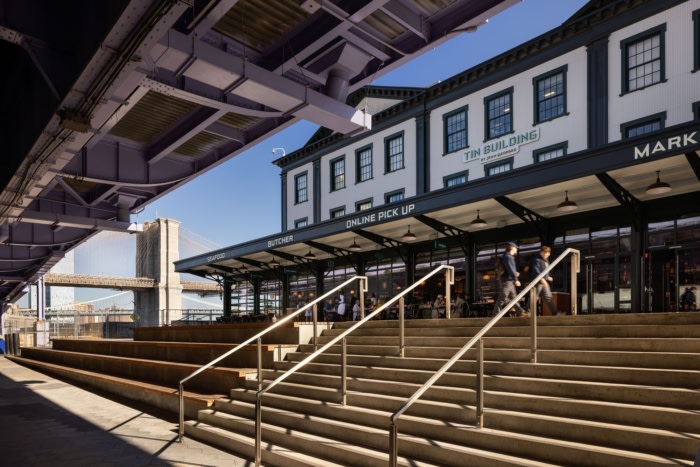
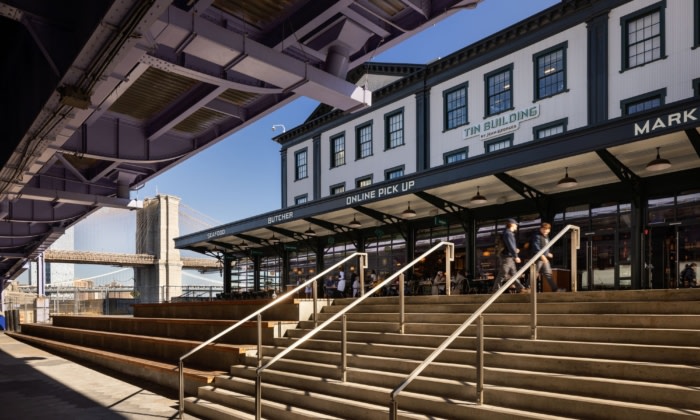
At the heart of Lower Manhattan’s Seaport District, the Tin Building has been reimagined as a vibrant food and beverage destination while honoring its remarkable past. Originally constructed in 1907 as the centerpiece of the Fulton Fish Market, the landmarked structure stood as a symbol of New York City’s bustling maritime commerce. Today, through a complex architectural and engineering effort led by Mancini as Architect of Record, the building has been restored, relocated, and elevated to ensure its continued legacy for generations to come.
In a feat of preservation and precision, Mancini oversaw the disassembly and reassembly of the historic structure, moving it 33 feet east and raising it six feet above the 100-year floodplain to safeguard it against future storm surges. The lower level was intentionally designed to accommodate flooding – allowing water to rise and recede without damaging the structure, demonstrating an innovative, resilient approach to waterfront preservation. The project is anticipated to earn a LEED Silver certification, underscoring its commitment to sustainability and adaptive reuse.
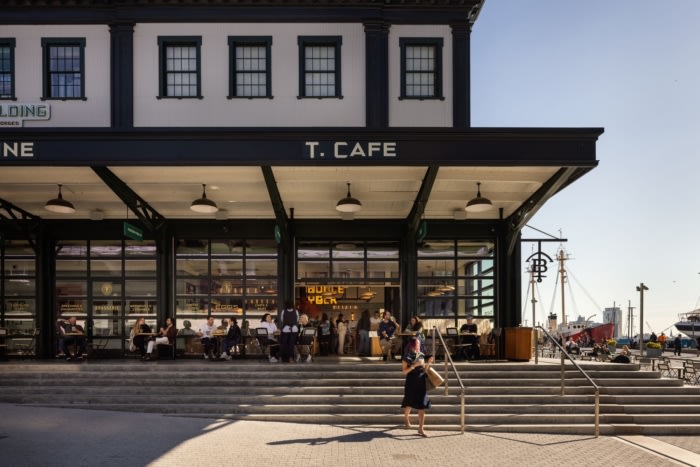
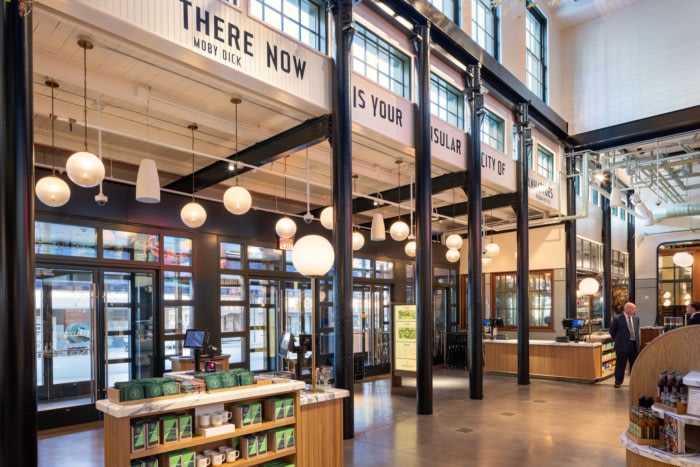
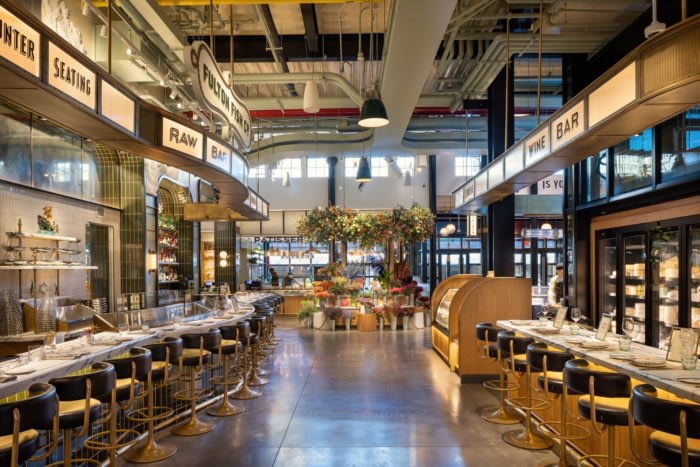
Working closely with CCS Architecture and Roman and Williams, who designed the interior spaces, Mancini ensured the careful integration of modern systems and life-safety requirements within the building’s historic fabric. More than 300 historic artifacts were salvaged, restored, or recreated as part of the reassembly, reviving architectural details lost to the 1995 fire and Hurricane Sandy in 2012. The relocation also introduced a new public plaza that enhances pedestrian access, incorporates the new Blockhouse structure, and opens sightlines to the waterfront, improving the urban experience for visitors and neighbors alike.
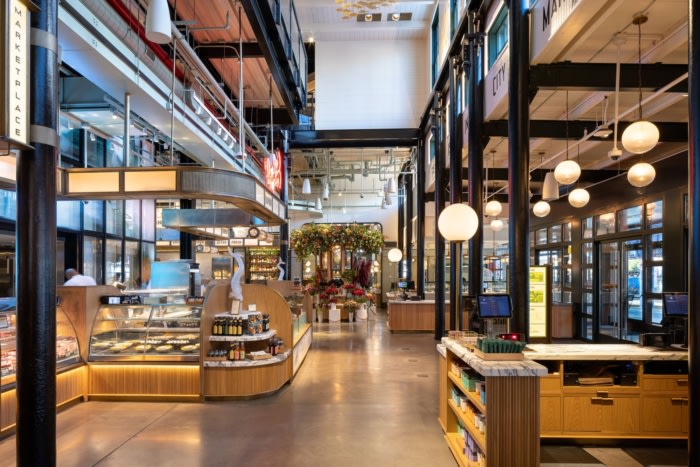
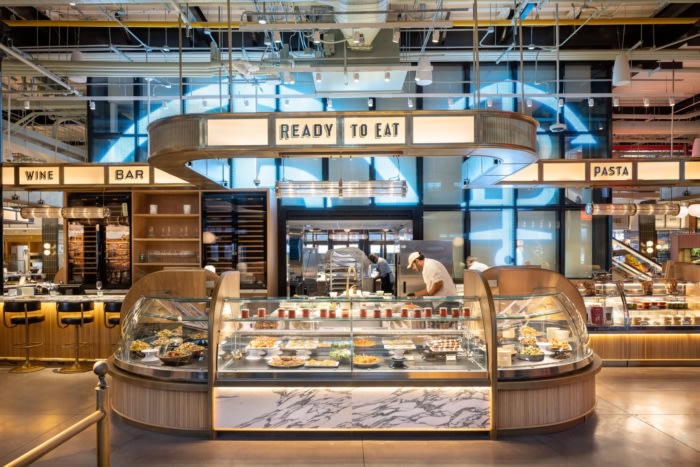
Now reborn as a culinary destination, the Tin Building houses an array of food markets, bars, and restaurants, alongside craft beer offerings, demo kitchens, private dining rooms, and event spaces. The design merges the building’s industrial authenticity with a modern sense of hospitality, positioning it as both a local gathering place and an international attraction.
Through innovation, technical mastery, and respect for history, Mancini’s work on the Tin Building stands as a model for adaptive reuse bridging New York’s storied past with its resilient and dynamic future on the waterfront.
Design: Mancini Duffy
Photography: courtesy of Mancini Duffy