
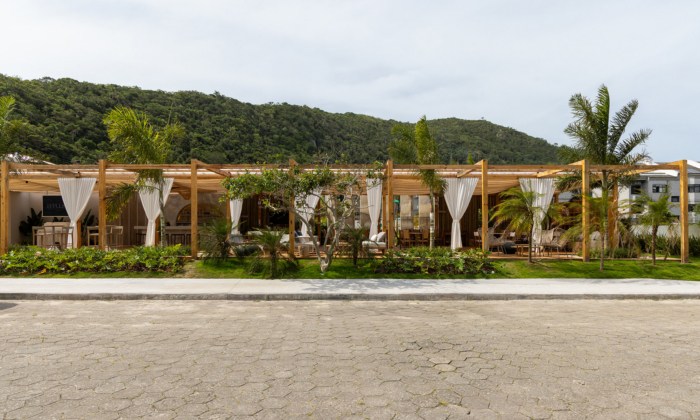
May Restaurant
Mariana Maisonnave Architecture’s May Restaurant in Florianópolis masterfully encapsulates contemporary seaside living, merging natural materials with sensory design to create an immersive, sustainable dining experience that promotes well-being.
May Restaurant, created by architect Mariana Maisonnave, was conceived as an immersive experience that reflects a contemporary seaside lifestyle, located at Praia Brava in Florianópolis, Brazil. The project is part of the launch of the D Pulse development by Dimas and was designed to express values such as well-being, understated sophistication and a strong connection to nature through architecture.
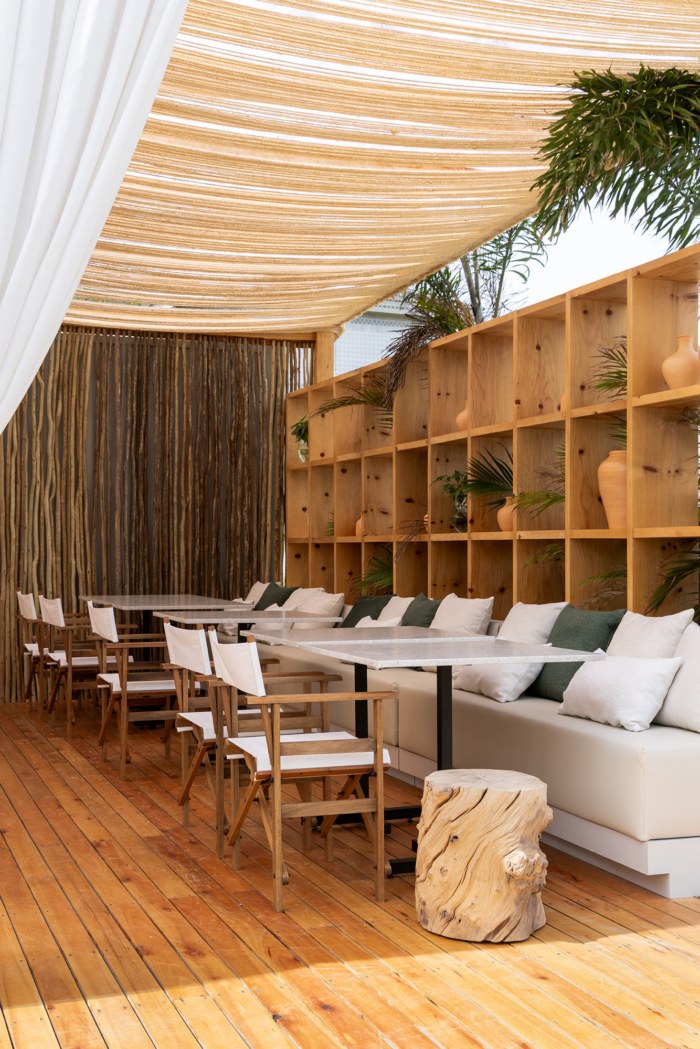
The architect developed a space that brings together architecture and gastronomy within a sensory narrative, where each element contributes to an inviting and engaging atmosphere. With a contemporary and timeless language, the project is grounded in the use of natural materials, organic textures, filtered light and carefully composed shadows. The architecture reflects an effortless lifestyle where comfort and experience take center stage. It offers a sensitive interpretation of coastal living, inspired by the slower pace and natural landscape of Florianópolis, the architect’s hometown.
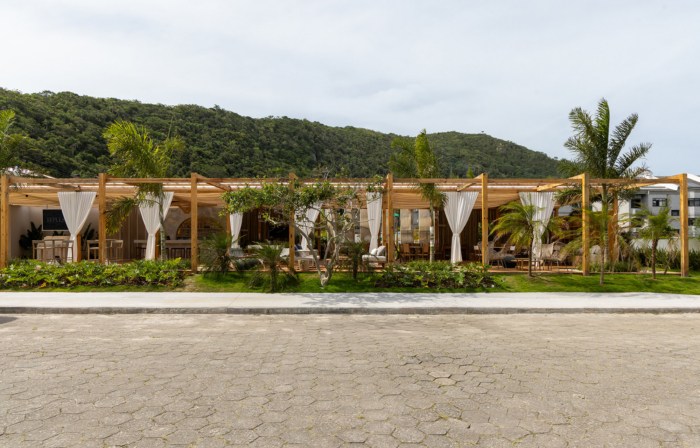
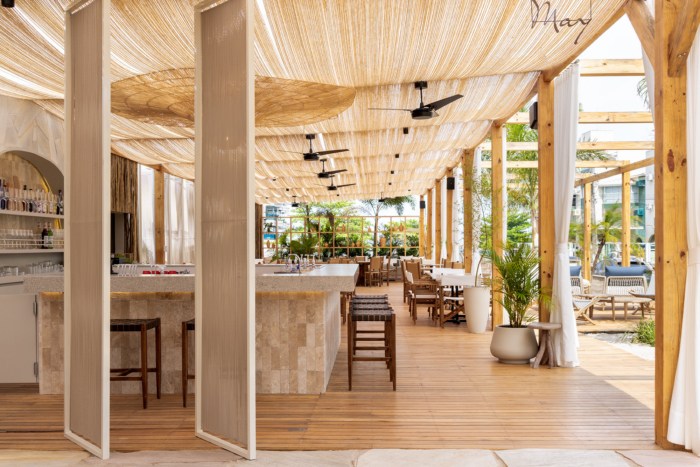
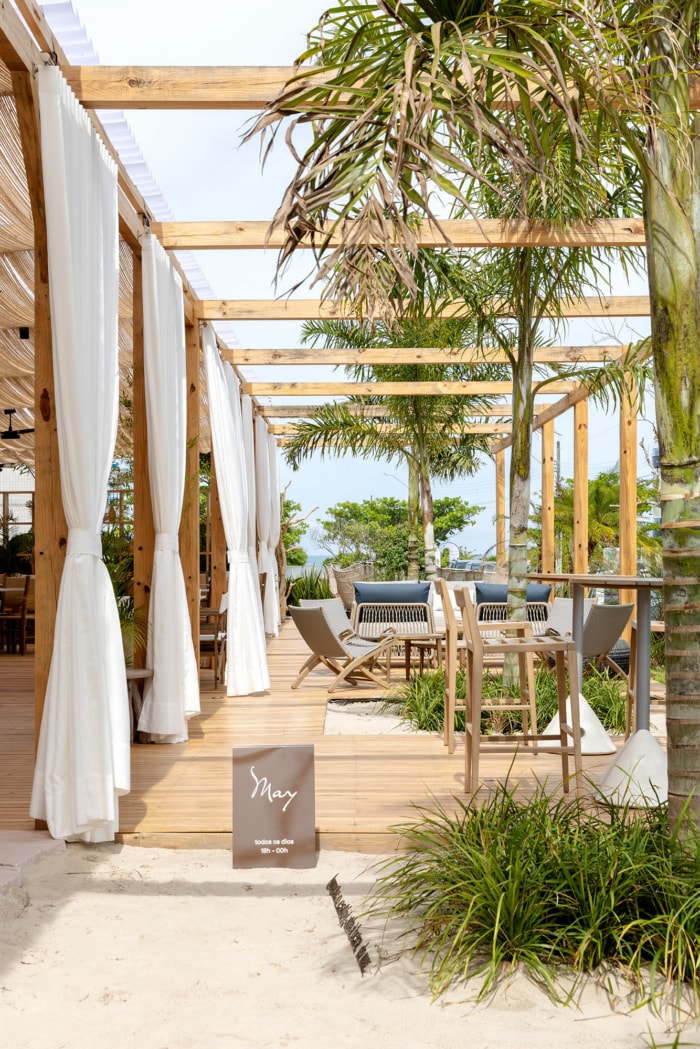
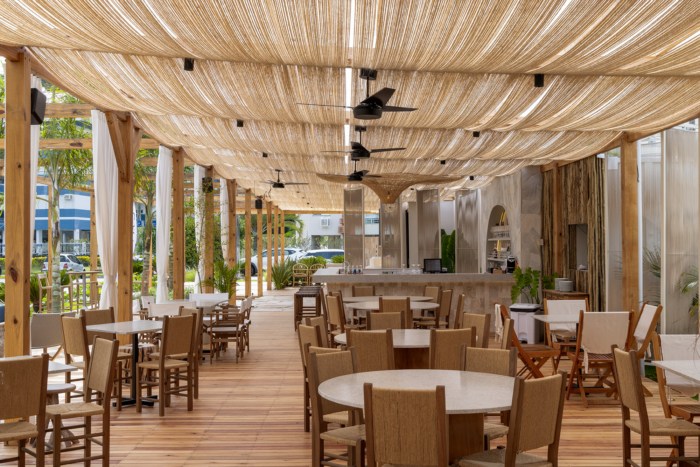
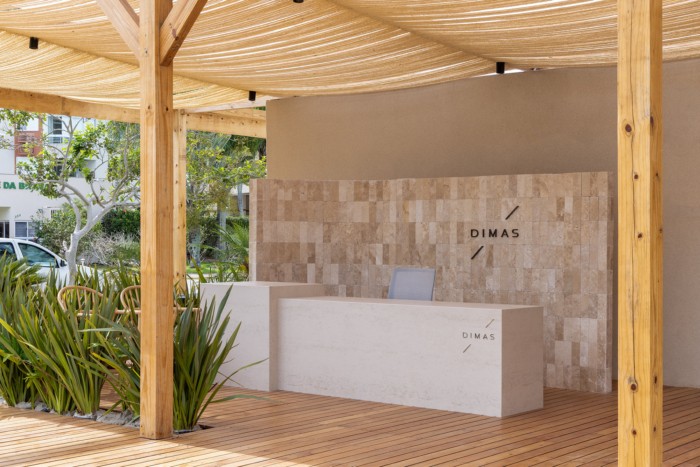
Conceived as a lightweight structure with a fast construction process, the space was completed in just 50 days. The design is based on three containers that house the enclosed areas, including the kitchen, support spaces and a showroom for the development. These volumes are connected by a generous wooden deck that organizes circulation and enhances the integration between spaces.
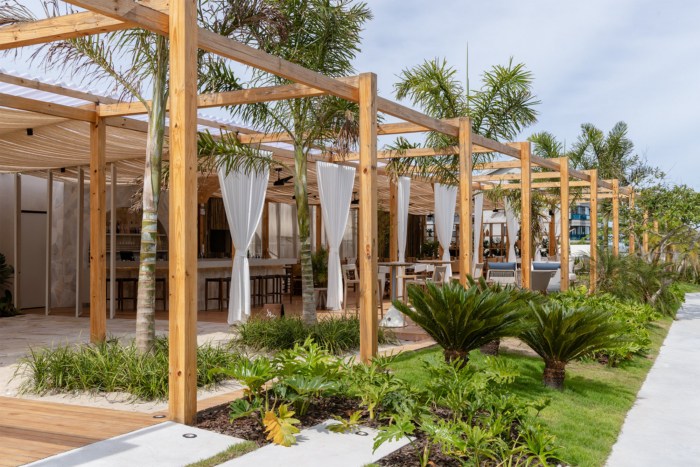
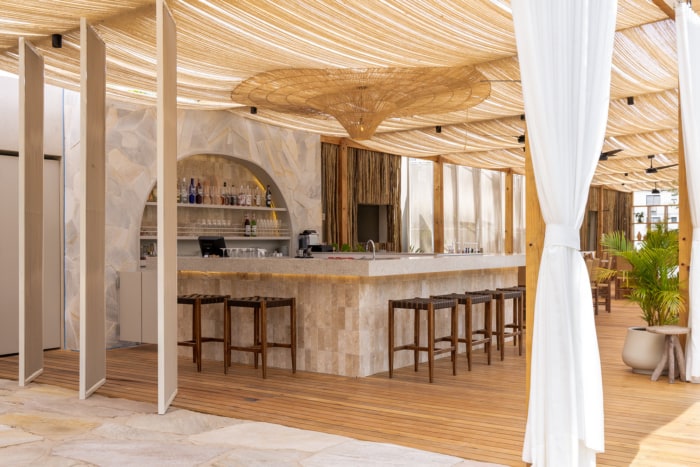
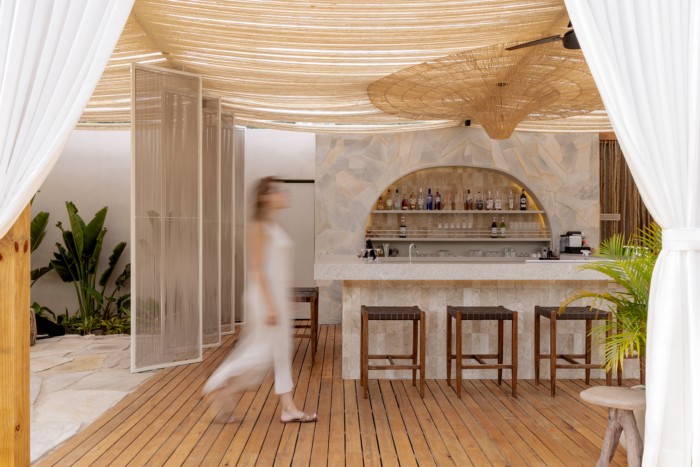
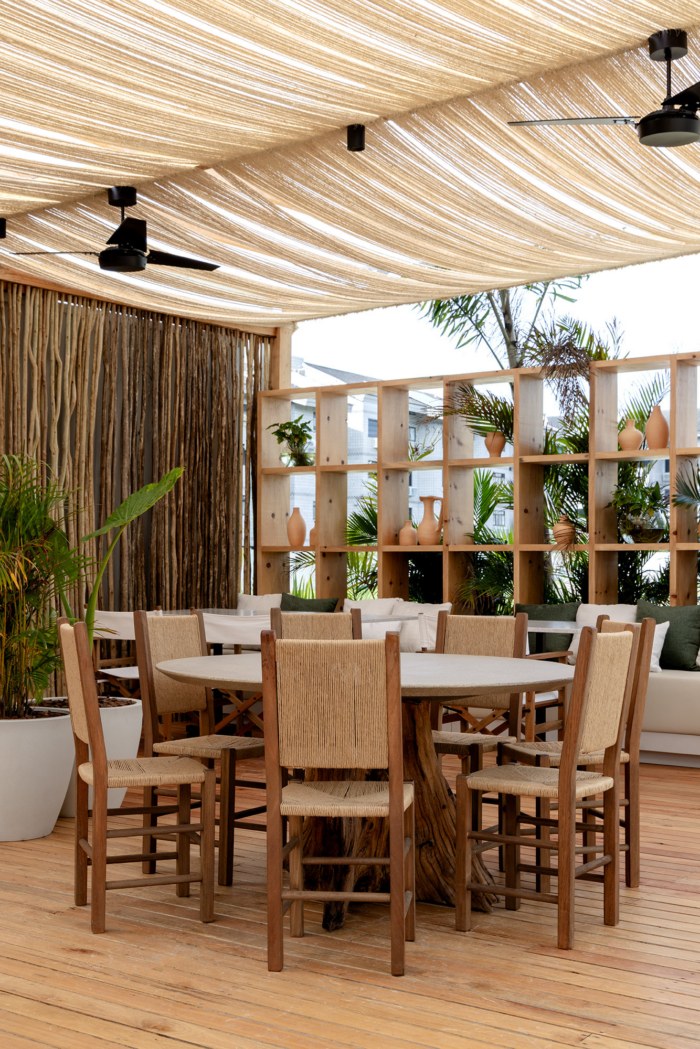
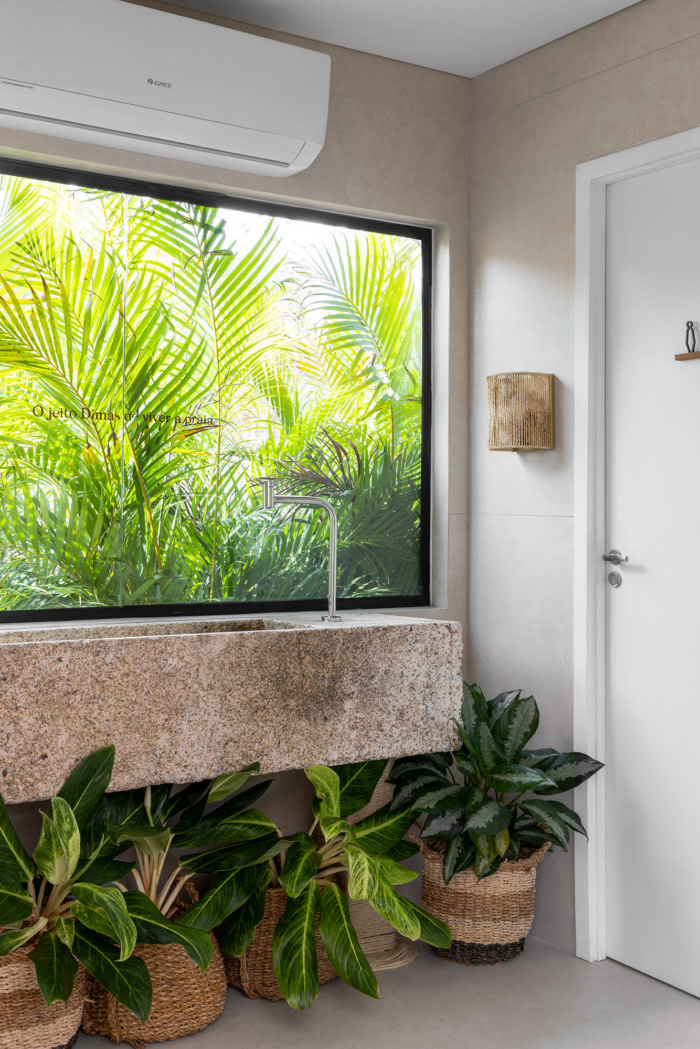
Materiality plays a central role in shaping the project’s identity. The selection of materials balances aesthetics, durability and resistance to the coastal climate. Natural wood is present in both structure and furniture, bringing warmth and texture. Mineral finishes and stone surfaces reinforce durability while establishing a direct connection with the surrounding landscape. Lightweight fabrics filter the light and introduce movement, while handcrafted elements add delicacy and a human touch to the spaces.
The experience is defined by a strong sensory component. The tactile quality of wood, the sound of wind passing through the fabrics and the interplay of light and shadow create a welcoming and comfortable atmosphere. The architecture expresses a quiet sophistication where nothing is excessive, yet every element is carefully considered to promote well-being.
The lighting design, also developed by the studio, enhances different moments throughout the day. During daylight hours, natural light is filtered through fabrics and perforated elements, creating soft and dynamic shadows. At night, artificial lighting is applied in a subtle and intimate way, with indirect light highlighting arches, shelving and key features, enhancing materials and creating a warm ambiance.
The use of warm lighting with low glare reinforces the sense of comfort and highlights natural textures without overwhelming the space, contributing to an elegant and inviting environment.
Sustainability is also embedded in the project and integrated into the architecture. The use of durable materials, cross ventilation and the extensive use of natural light reduce reliance on artificiais systems. The open and permeable layout responds to the local climate, minimizing the need for mechanical cooling.
In addition, the specification of low energy equipment and the prioritization of local suppliers and labor reinforce a commitment to more responsible practices, both environmentally and socially. In this context, sustainability goes beyond technical aspects and extends to a cultural approach. Creating spaces that encourage permanence, care and connection to the surroundings becomes an essential part of the proposal, reinforcing the idea that designing with sensitivity is also a conscious way of building.
Design: Mariana Maisonnave Architecture
Photography: Fábio Jr Severo






Now editing content for LinkedIn.